A garage door usually gets attention only when it refuses to move, shudders halfway, or wakes the whole house at dawn. Until then, it blends into the routine. You press a remote, the door rises, and nobody gives the mechanism another thought. That habit is exactly why small faults have room to grow.
A yearly service is not glamorous, but it is one of the simplest ways to goldcoastgaragedoorrepair.com.au fix garage door issues before they become expensive, disruptive, or unsafe. The phrase “fix” often makes people think of a breakdown and a rushed callout. In practice, many garage door problems are easier to manage when they are caught during routine servicing, especially with doors that are exposed to salt air, humidity, and heat.
In areas like the Gold Coast, those local conditions matter. Coastal air and moisture can affect hardware over time, and heat does no favours to motors and moving parts that already work hard. A door that looked fine six months ago can drift out of balance, develop noisy movement, or start showing signs of strain long before it fails outright. That is where a 12-month service earns its keep.
Why annual servicing solves more than it seems to
Garage doors are simple from the outside and more demanding underneath. There is the door itself, the tracks, the moving hardware, the motor if the system is automated, and components such as springs that do the heavy lifting behind the scenes. When one part starts wearing unevenly, the rest of the system compensates. The problem may still look minor to the owner, but the door is already operating under stress.
That is why annual servicing often addresses issues people describe in vague terms. The garage door not closing properly might not be a mystery at all. It may be related to the way the door is travelling, the condition of its hardware, or a motor that is no longer working as smoothly as it should. Likewise, what sounds like a need for garage door opener repair may actually be a broader mechanical issue that is forcing the opener to work harder than intended.
This is one of the main misunderstandings homeowners run into. They hear the motor, so they blame the motor. They see the door stop short, so they assume the remote is at fault. In reality, garage doors are systems, not isolated parts. Annual servicing gives a technician the chance to assess how those parts are interacting before a small problem becomes a dead door and a trapped car.
The quiet slide from minor wear to obvious failure
Most garage door faults do not appear overnight. They build gradually. A door may become slightly noisier. It may hesitate at a point in travel where it used to move smoothly. The close cycle may become inconsistent. Some days everything works, and some days the door behaves badly enough to get noticed.
That gradual change is the hardest thing for owners to judge because routine disguises deterioration. If you use the same door every day, it can take months to realise it is moving differently. A trained eye during a yearly service is useful precisely because it is looking for trends the owner has normalised.
Garage door alignment is a good example. Misalignment is not always dramatic at first. The door may still open and close, just not as cleanly as it should. The movement can place extra stress on hardware, and on automated systems it may also affect how hard the motor has to work. Left too long, what began as an adjustment issue can turn into a more involved repair.
Annual servicing does not guarantee that no component will ever fail. Mechanical parts wear out. Springs fatigue. Motors age. Remotes stop behaving. What servicing does is reduce the number of surprises and improve the chances of finding a problem while it is still manageable.
What a 12-month service commonly helps uncover
Garage door businesses in the Gold Coast commonly handle repairs, servicing, installations, and replacement of parts such as motors, remotes, and springs. That range of work matters because it reflects the kinds of faults that regularly show up in the field. A yearly service is often when these problems first come into focus.
Some of the most common signs that a door needs attention are easy to dismiss at home:
- the door becomes noisier than usual the movement looks uneven or hesitant the garage door not closing properly becomes an intermittent issue the motor sounds strained the door starts relying on repeat presses of the remote
None of those symptoms automatically points to one exact fault. That is part of the reason guesswork wastes time. A noisy door might be reacting to wear or alignment issues. An unreliable close cycle could involve movement, hardware condition, or the opener. A remote problem may be just a remote problem, but it can also be reported when the real issue sits elsewhere in the system.
A proper annual service helps separate symptoms from causes. That is the practical value. Instead of waiting until the only option is emergency repair, servicing creates a chance to deal with early-stage faults in a calmer, cheaper window.
When the opener is not the whole story
Garage door opener repair is one of the most common phrases people search when the door stops behaving. It makes sense. The opener is the visible part of the automation system, and if the motor does not respond or the door reverses unexpectedly, attention goes straight there.
Yet opener issues are often tangled up with the condition of the door itself. If the door is not moving cleanly, the automation system may be compensating. If the door is out of alignment, the opener can appear to be the problem when it is really working around resistance. If a component is wearing out, the motor may sound rough or unreliable simply because it is being asked to do more than it should.
This is where yearly servicing is particularly effective. Rather than treating the opener as a standalone machine, the service looks at the opener in relation to the door. That approach tends to lead to better decisions. Sometimes the fix really is focused on the opener. In other cases, the right answer is adjustment, alignment work, or replacement of another worn component so the opener can function normally again.
That distinction matters financially as much as mechanically. Replacing or repairing the wrong part may get the door moving for a while, but it does not solve the strain that caused the symptom. Over time, that can mean repeat visits, more downtime, and a shorter life for the motor.
The role of garage door alignment in reliable movement
Garage door alignment sounds technical, but owners usually notice it in ordinary ways. The door looks uneven in motion. It shakes more than it used to. It may seem to bind at one point and then continue. In some cases, the problem only shows up during closing, which is why people often describe it as the garage door not closing properly rather than as an alignment issue.
Alignment problems matter because garage doors rely on smooth, balanced travel. When that travel is off, other parts are forced to absorb the difference. The result may be extra noise, inconsistent operation, or stress on the automated system. A door can still appear “good enough” while quietly wearing itself harder.
A 12-month service is a practical time to catch those signs. The door is inspected before the issue has months more to compound. That timing is especially useful in climates where salt air, humidity, and heat can affect hardware. Coastal conditions tend to shorten the gap between “minor irritation” and “something is definitely wrong.”
There is also a judgment call involved. Not every alignment issue announces itself loudly, and not every noisy door is severely misaligned. That is why annual servicing is more useful than reactive maintenance. It gives someone familiar with these systems a chance to compare what is normal wear and what is an early signal of trouble.
Springs deserve more respect than they usually get
If there is one part of a garage door system that people underestimate, it is the spring assembly. Springs do serious work, and they do it under high tension. That is not a minor warning label. It is a real safety issue.
Industry and safety guidance are clear that garage door springs are dangerous to adjust or repair without proper training and tools. That is one area where DIY enthusiasm can cross into risk very quickly. A homeowner may feel capable of basic cleaning, observation, or arranging service, but spring work is not a casual weekend fix garage door project.
Annual servicing helps here in two ways. First, it creates a routine opportunity to assess spring condition before failure. Second, it reduces the temptation to ignore warning signs until a spring breaks and forces an urgent response.
There is another point worth noting. When a spring breaks, both springs may need replacement because they typically wear in a similar way, and mismatched springs can create balance problems. That can surprise owners who expected a one-part repair. In the field, though, it is a sensible approach. Replacing only the visibly failed spring may leave the system uneven and set up the next fault.
This is a good example of why garage door work often involves trade-offs. The lowest immediate spend is not always the best mechanical choice. A yearly service does not remove that decision, but it can give earlier notice that spring wear is developing, which is usually a better position than dealing with a sudden break.
Local conditions change the maintenance picture
Garage door advice is never entirely one-size-fits-all. The conditions around the door matter. In the Gold Coast area, service providers note that salt air, humidity, and heat can affect garage door hardware and increase maintenance needs. That is a practical observation, not a sales line. Coastal environments are hard on many exterior components, and garage doors are no exception.
This means a homeowner near the coast may experience wear differently from someone in a milder or drier setting. Hardware can age faster. Moving parts may not stay in ideal condition as long. Automated systems may be more vulnerable to the cumulative effect of harsh conditions.
That local context is one reason a 12-month service makes sense as a baseline. It is frequent enough to spot developing issues without waiting for a full breakdown. For doors exposed to tougher conditions, annual servicing can be the difference between routine upkeep and inconvenient failure.
There is a human side to this too. People often adapt their expectations downward without realising it. They start accepting grinding sounds, jerky travel, or the occasional refusal to close as “just how the door is now.” In a coastal climate, that resignation can mask preventable wear. A yearly service interrupts that drift and resets the standard for what proper operation should look like.
What homeowners can do, and what they should leave alone
There is nothing wrong with paying attention to your own garage door. In fact, owners are often the first to spot changes that matter. If the door sounds different, moves differently, or starts acting unpredictably, that observation is useful. The key is knowing the line between sensible vigilance and unsafe intervention.
A sensible owner can watch for changes in noise, balance, or close behaviour, note whether the remote response has become inconsistent, and arrange professional servicing before a small issue turns larger. What should be avoided is any attempt to adjust or repair springs without proper training and tools.
That line is worth keeping firm because garage doors feel familiar. Familiarity can make people underestimate the forces involved. A yearly service is partly mechanical care, but it is also a way of keeping dangerous work in qualified hands.
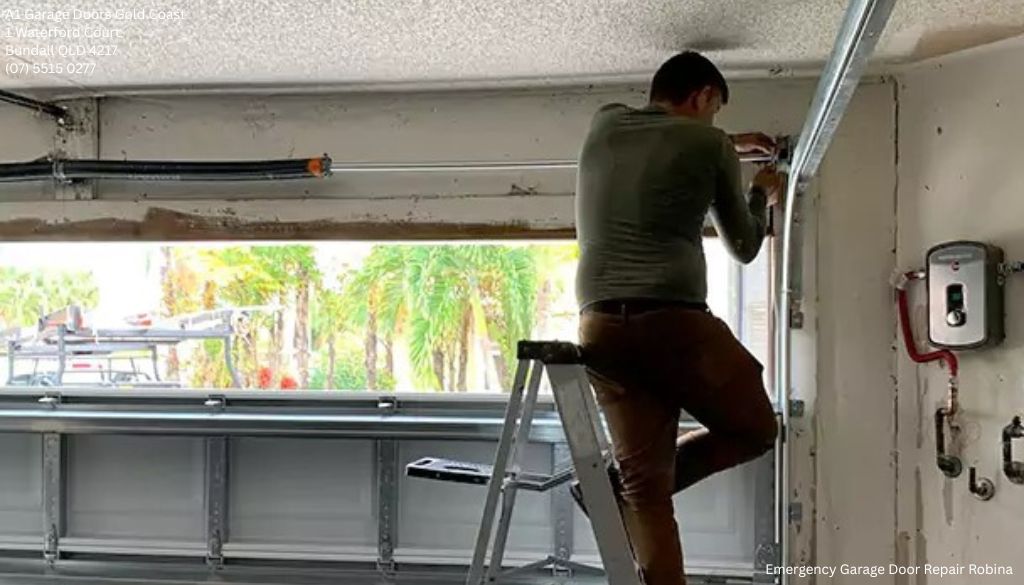
If you want a simple rule of thumb, these are good times garage door resource to book service rather than wait:
- after a noticeable change in movement or sound when the garage door not closing properly becomes a repeated issue when the opener appears strained or unreliable if the door seems out of balance or alignment once 12 months have passed since the last professional service
That last point matters even when the door seems fine. Annual servicing is most effective before the owner is certain something is wrong.
Repairs, replacement, and the value of timing
Garage door companies commonly handle a wide range of work, from repairs and servicing to installation and replacement of motors, remotes, and springs. That tells you something important about how these systems age. Not every problem is solved with a quick adjustment, and not every symptom means a full replacement is required.
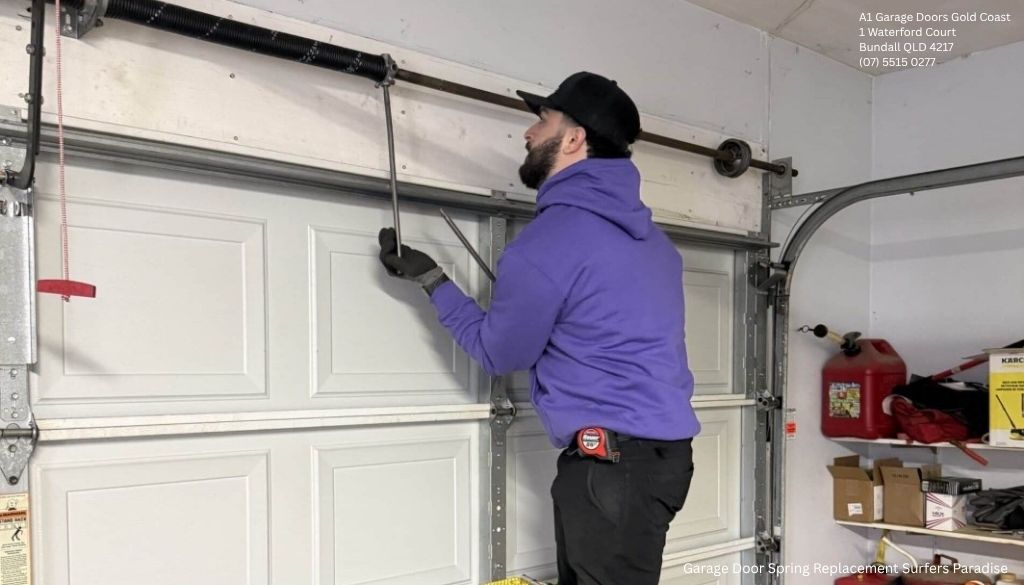
Timing shapes the outcome. When a fault is caught early during annual servicing, the options are often better. There is more room for targeted repair. There is more time to assess whether a component is simply worn or whether the broader system has been affected. There is less pressure to make a rushed decision while the car is stuck inside.
This is especially true with automated doors. Automation upgrades and motor replacement are established parts of garage door service in the Gold Coast area. Sometimes an older opener does need repair or replacement. Sometimes that decision makes more sense after the rest of the door has been assessed and serviced, rather than as a reaction to one frustrating morning when nothing moved.
Annual servicing improves those decisions because it provides context. A motor issue can be judged alongside the condition of the door. A suspected alignment problem can be inspected before it damages other parts. A worn remote can be distinguished from a broader operating fault. Good maintenance does not eliminate cost, but it does tend to make costs more predictable.
The real benefit of a 12-month service
The strongest argument for annual garage door servicing is not that it makes a door perfect. It is that it reduces avoidable trouble. It catches wear sooner. It helps fix garage door problems while they are still contained. It improves the odds that garage door opener repair, garage door alignment work, or spring replacement happens on reasonable terms rather than in an urgent scramble.
One Gold Coast garage-door business recommends professional servicing every 12 months to help prevent breakdowns and extend the life of the door and motor. That recommendation lines up with how these systems behave in the real world. Garage doors do not fail only because they are old. They also fail because small signs were ignored until the mechanism had no margin left.
A yearly service gives the system that margin back. It is a scheduled pause for inspection, adjustment, and practical judgment. For households that rely on the garage every day, that is rarely wasted effort.
If your door has become louder, less smooth, or less reliable, waiting for a full failure is usually the most expensive way to learn what was wrong. A 12-month service is quieter than a breakdown, cheaper than some emergency repairs, and safer than guessing your way through high-tension parts. For a mechanism that moves one of the largest entry points in the house, that is a sensible standard to keep.