An attached garage sits in an awkward place in the house. It is partly outside, partly inside, and it often becomes the biggest uninsulated, least air-tight opening connected to the home. When that garage door is neglected, the effects show up in two ways that matter to homeowners straight away. The first is comfort and energy loss, because draughts moving through the garage can spill into adjoining rooms. The second is resilience, because in severe weather a weak garage door can become a serious vulnerability.
That combination makes maintenance more important than many people realise. People often think about a garage door only when it stops opening, starts making noise, or catches halfway. In practice, attached garages deserve a more deliberate approach. If the garage shares a wall, ceiling, or internal access door with the rest of the home, the condition of the main garage door has consequences well beyond vehicle access.
In Queensland, where severe storms and cyclones are a real part of home ownership, this point becomes sharper. Official guidance is clear that households should prepare before storm season and only go outside after it is officially safe. That guidance is not abstract. Garage doors are specifically part of cyclone preparedness, because if the door fails, wind can enter the house and increase pressure on roofs and walls. That is a very different level of risk from a simple rattly panel or a worn bottom seal.
Why attached garages feel draughtier than they should
A detached garage can be uncomfortable without affecting the home much. An attached garage is different. Any gap at the garage door can become part of the pressure and temperature story of the house. If outside air moves under the door, around the side edges, or through a poor connection between the garage and the home, nearby rooms often feel colder in winter or harder to cool in summer.
The garage door is usually the largest moving element on the property. Large moving parts are hard to seal perfectly, especially when the opening has shifted over time, when the frame is not sitting as it should, or when age has reduced the fit. Even a small gap spread across the width of the door can move a surprising amount of air on a windy day. Homeowners usually notice it indirectly. The room above the garage never seems stable. The hallway near the internal garage door feels cooler. Dust builds up around thresholds faster than it should. The garage itself may also feel far more exposed to outside conditions than expected.
Australian energy-efficiency guidance recognises the role of draught proofing here. A draught stopper at the base of a door can help reduce heat loss. That does not turn a garage into a conditioned living room, but it does A1 Garage Doors Gold Coast Pty Ltd highlight a practical truth. The lower edge of a door matters, and controlling air movement at that point can make the rest of the home easier to manage.
Maintenance is not just about smooth movement
Homeowners often frame garage door maintenance in mechanical terms, and that is only half the picture. Yes, the door has moving components. Yes, garage door springs, garage door tracks, and garage door openers all influence daily performance. But for attached garages, a maintenance conversation should also include fit, resistance to weather, and the role the door plays in the building envelope.
A door can still open and close while doing a poor job of resisting draughts. It can also appear serviceable in calm weather while being a weak point when severe wind arrives. That is why maintenance should be viewed through two lenses at once. First, is the door functioning safely and reliably day to day? Second, is it helping or undermining the home’s comfort and resilience?
Those two lenses often overlap. A door that does not close evenly against the opening may leave gaps. A door that has alignment issues may put strain on hardware and seals. A system that has been ignored for years may become harder to secure before storm season. In real homes, problems rarely stay in one neat category.
The components worth paying attention to
It is useful to separate the visible symptoms from the components behind them. Homeowners usually notice the symptom first. A whistle of air at floor level. Light visible at one corner. A shudder when the door moves. A remote that opens the door reliably in dry weather but becomes erratic after storms or power interruptions. Those clues tell you where to look next, but they should not tempt you into overconfident DIY work on safety-critical parts.
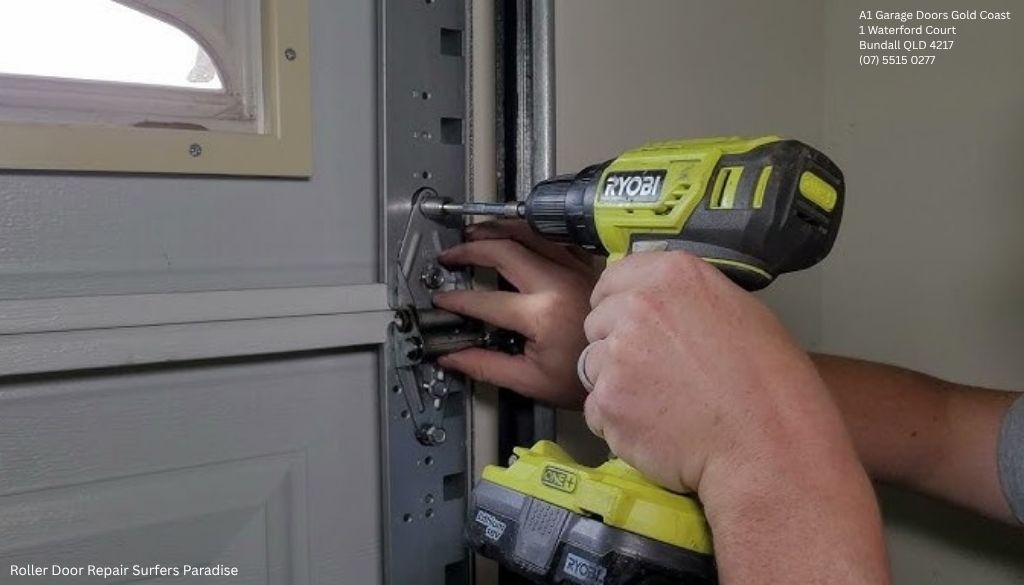
Garage door springs deserve particular caution. They are central to the operation of many doors, and they are not a casual repair item. If the door feels unusually heavy, stops behaving normally, or seems out of balance, that is not the moment for experimentation. The same goes for garage door tracks that appear bent, misaligned, or obstructed. A track issue is more than a nuisance if it prevents the door from closing correctly against the opening.
Garage door openers also matter, especially in attached garages where the door may be used as a main entry point. Before storm season, the practical question is not just whether the opener works on a good day. It is whether the whole arrangement is dependable when weather warnings arrive, when vehicles need to be moved under shelter, and when electrical items may need to be unplugged as part of household preparation.
This is one of those areas where the romantic idea of self-reliance gives way to sound judgment. Some maintenance is observational. Much of the corrective work belongs with a qualified contractor, particularly where structural performance, storm hardening, or moving hardware is involved.
What changes when storms and cyclones are part of the picture
In calm climates, homeowners often treat garage door maintenance as a matter of convenience, noise, and appearance. In cyclone-prone areas, that mindset is too narrow. Queensland guidance specifically notes that a garage door should comply with AS/NZS 4505 and be correctly rated for wind pressure, or have a bracing system that can be installed before a cyclone. That is a clear reminder that not every existing door is equal, and that maintenance alone cannot compensate for a door that was never suited to the wind demands of its location.
This is where the idea of garage door replacement becomes more than a cosmetic upgrade. Queensland housing resilience guidance identifies replacing existing garage doors and frames with wind-rated versions as part of household resilience work. It also notes that non-compliant garage doors can be a cost-effective replacement target when improving cyclone resilience.
That phrasing matters. Cost-effective does not mean cheap in the everyday sense. It means the door may be one of the better places to invest if the goal is to reduce overall household vulnerability. A homeowner might spend years patching minor issues on an aging door and still be left with a system that does not meet the wind demands of the area. At a certain point, repair becomes a habit rather than a strategy.
An attached garage raises the stakes again. If wind breaches the garage through a failed door, the effects are not confined to a detached outbuilding. Official guidance warns that garage door failure can let wind into the house and increase damage to roofs and walls. Once you see the garage door in that context, maintenance stops being a simple matter of squeaks and remotes.
A practical way to inspect an attached garage door
Most homeowners do not need a complicated inspection routine. They do need a disciplined one. The point is to notice changes early, especially before the lead-up to severe weather.
- Stand inside the garage with the door fully closed during daylight and look for visible light at the bottom corners, side edges, or top line. Pay attention to whether the door closes evenly and sits firmly in the opening, rather than leaving one side looser than the other. Listen for changes in operation, including straining, scraping, rattling, or abrupt movement that was not there before. Check whether the garage feels noticeably windier, dustier, or more temperature-sensitive than it did in previous seasons. Before storm season, confirm that the door’s storm-readiness has been assessed appropriately, especially if you do not know whether it is wind-rated or whether a bracing system applies.
That sort of check is simple enough to do without overreaching. It does not involve dismantling parts or adjusting tension. It gives you a sensible basis for deciding whether to book professional attention.
Draught control is often won or lost at the threshold
If there is one area homeowners consistently underestimate, it is the bottom edge of the garage door. Air does not need a dramatic opening to become a comfort problem. A persistent low gap across the threshold can feed a draught all season long. Guidance on draught proofing points to the value of draught stoppers at the base of doors for reducing heat loss, and that principle is especially relevant to attached garages.
What that looks like in practice depends on the condition of the opening. Sometimes the issue is the lower edge of the door no longer meeting the floor as it should. Sometimes the frame or opening has enough irregularity that one corner leaks more than the rest. Sometimes homeowners improve the main garage door but forget the internal access door to the house, which leaves the garage acting like a buffer zone with a second weak point.
The aim is not to make a garage behave exactly like conditioned living space. It is to reduce unnecessary air exchange that makes adjacent rooms less comfortable and makes heating or cooling work harder than it should. In many homes, a modest improvement at the garage threshold is noticeable indoors within a day or two of weather changing.
That said, there is a trade-off worth acknowledging. Tightening a garage opening for comfort is not the same thing as making a door suitable for cyclone loads. One issue is about everyday air movement. The other is about structural performance in severe wind. A homeowner who confuses the two may feel reassured by a better seal while overlooking the bigger resilience question. They are related, but they are not interchangeable.
When garage door replacement is the better decision
Some doors are worth maintaining for years. Others have reached the stage where each repair is a short delay before the next problem. The judgment call usually turns on three things, condition, suitability, and risk.
Condition is the easy one to see. If the door’s operation has become unreliable, if components are repeatedly failing, or if the fit against the opening no longer stays consistent, replacement enters the conversation naturally. Suitability is less obvious but often more important. In storm-prone areas, an old door may function acceptably while still being a poor match for current resilience expectations. Risk ties the first two together. An attached garage connected directly to the home makes the consequences of failure more serious than a detached structure.
There is also a timing issue. Homeowners often wait until a door fails outright before thinking seriously about replacement. That approach is understandable but not ideal. Before storm season is the better window for assessment, because official guidance emphasises preparing in advance, not scrambling when warnings have already been issued. If a wind-rated garage door and frame are the right answer for the property, that decision is far easier to manage in ordinary conditions than in the middle of an emergency cycle.
A professional assessment can help separate sentimental attachment from practical sense. Many people have lived with the same garage door for so long that gradual decline feels normal. If the door is non-compliant or vulnerable, garage door replacement may be one of the more effective resilience upgrades available.
Openers, remotes, and power habits before severe weather
Garage door openers make daily life easy, but convenience can mask dependency. Households with attached garages often rely on the opener as the default means of entry and exit, particularly when the garage is used as a main arrival point. Before severe weather, that dependence deserves a little thought.
Queensland storm guidance includes practical household steps such as securing loose outdoor items, parking vehicles under shelter if possible, and unplugging electrical items. The garage is central to all three. People need the door to work while moving vehicles into shelter. They may store storm-sensitive belongings in the garage. They may also have opener units, charging points, or related devices that fall within the wider habit of unplugging electrical items when preparing the property.
This does not require elaborate theory. It requires a routine. If the garage door is slow, temperamental, or occasionally fails to respond, fix that before storm season becomes active. If the opener is the only way the household thinks about access, revisit that assumption. A garage should support preparation, not become another point of uncertainty on the day warnings are issued.
The value of pre-season planning
Storm preparation is more effective when it is boring. That may sound unglamorous, but it is true. The best households do not leave major decisions until skies are already turning. They know whether the garage door is fit for purpose. They know whether it is wind-rated or whether a bracing system is relevant. They have addressed obvious draught issues before the hottest or coldest stretch of the year. They are not discovering on the day that the door catches, the opener is unreliable, or the frame has been in poor shape for months.
A simple annual rhythm helps. Assess the garage door before storm season rather than during it. Book qualified contractors early when demand is lower. Treat comfort complaints from rooms beside or above the garage as useful signals, not minor grumbling. A bedroom that is always too warm or too cool may be telling you more about the garage door than about the air-conditioning setting.
There is also a safety aspect to timing. Queensland guidance advises people to go outside only after it is officially safe. That means the work that requires inspection, securing, or professional adjustment belongs well before the event. A garage door that needs attention should not be on a last-minute emergency list.
Where professional judgment matters most
There is a line between sensible homeowner awareness and technical overreach. With garage doors, that line comes sooner than many people expect. The system combines large moving panels, tensioned components, structural considerations, and, in some regions, very serious wind-resistance implications. Knowing what to watch is valuable. Trying to solve every issue personally is not.
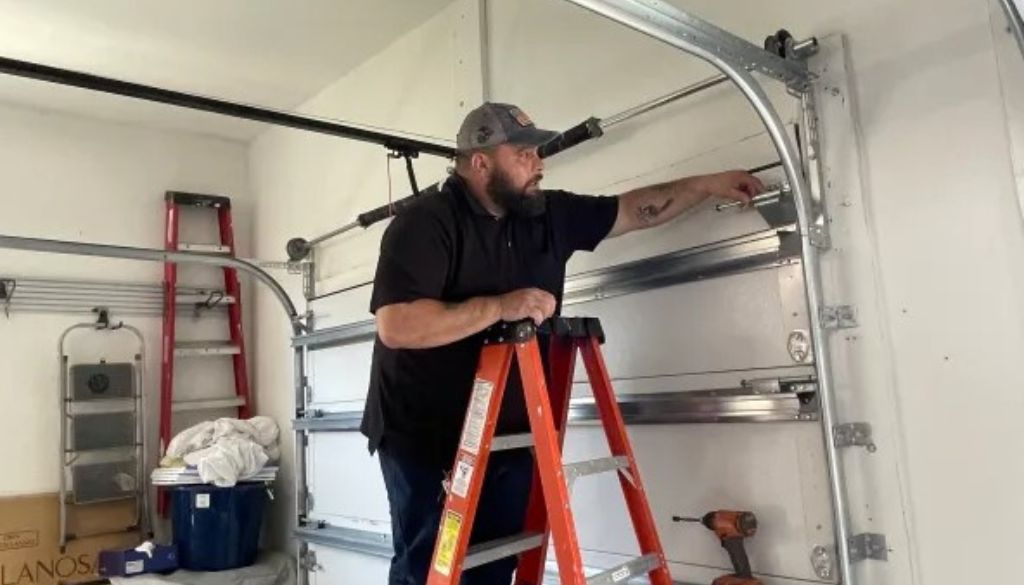
Professional input is especially important in these situations:
- You do not know whether the existing garage door meets the relevant wind-pressure requirements for your area. The door may need a bracing system for cyclone preparation, and you need to know what applies and how it should be installed. The frame, fit, or overall integrity of the door appears compromised, even if the door still operates. Garage door springs, tracks, or the opener show changes that affect safe, consistent movement. You are weighing repair against garage door replacement and want the decision based on resilience as well as convenience.
That last point is often the most valuable. A good assessment does more than diagnose a fault. It helps a homeowner decide whether to keep investing in an aging system or move to a wind-rated replacement that better suits an attached garage in a storm-prone setting.
A garage door should do more than open
The strongest garage door maintenance plans are grounded in real use, not theory. If the garage is attached to the house, the door is part comfort measure, part security element, part weather barrier, and in some regions part storm defence. That is a lot to ask from one opening, which is why neglect tends to show up in layers. First a slight draught, then a room that is hard to regulate, then a door that sounds rough, then a scramble before storm season.
Handled early, most of those issues are manageable. The key is to stop thinking about the garage door as a separate convenience item at the edge of the property. In an attached garage, it is tied directly to how the house feels and how the house performs under pressure. Good maintenance protects both.