A garage door that refuses to close properly is rarely just an annoyance. It leaves the home exposed, puts strain on the opener, and often signals that one part of the system is no longer working in step with the rest. Sometimes the fix is minor. Sometimes a clean, adjustment, or reset buys more time. In other cases, continued tinkering only delays a replacement that is already due.
That distinction matters. People often keep chasing a simple answer when the real issue is wear in a spring, a tired motor, or hardware that has drifted out of alignment. When the door starts stopping short, reversing unexpectedly, hanging unevenly, or closing with obvious strain, the smart question is not just how to fix garage door trouble for the day. It is whether the problem points to a component that should now be replaced.
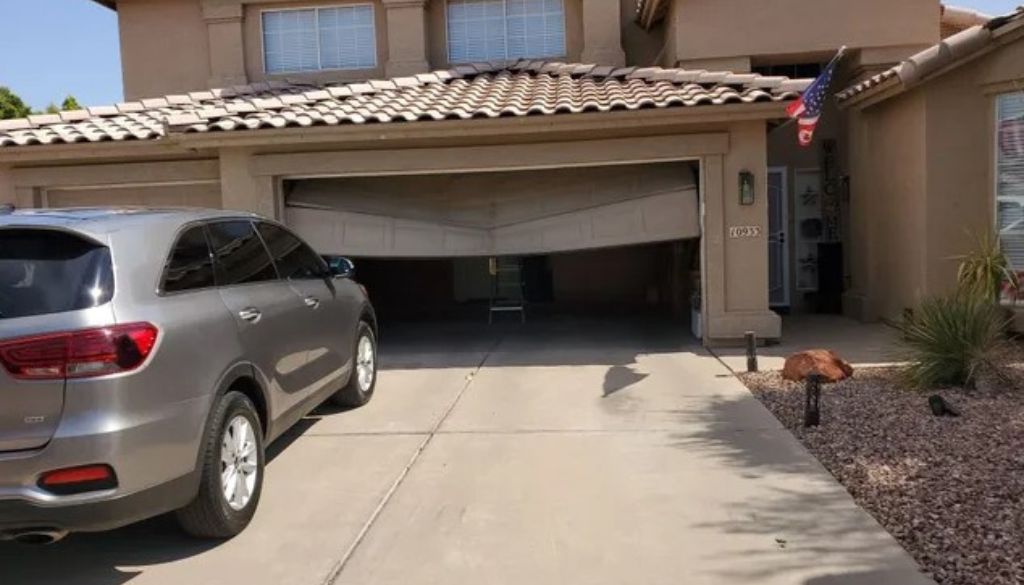
In places where doors face heat, humidity, and salt air, that judgment becomes even more important. Those conditions can be hard on metal parts, motors, and moving hardware. On the Gold Coast, service companies regularly deal with repairs, servicing, installations, and replacement of parts such as motors, springs, and remotes. That tells you something practical: these failures are common enough that replacement is part of normal ownership, not an unusual event.
What “not closing properly” actually looks like
Homeowners describe the same problem in very different ways. One person says the door “won’t shut.” Another says it “goes down, then comes back up.” Someone else notices that one side looks lower than the other, or that the opener sounds as if it is working too hard. All of those situations can fall under the umbrella of a garage door not closing properly, but they do not all point to the same cause.
A door may fail to close fully because the moving parts are no longer balanced. It may close crooked because of garage door alignment issues. It may stop short because the opener is struggling. It may also look like an opener problem when the real fault lies in a spring that has lost function. The challenge is that garage doors are systems, not single parts. A worn component often forces another component to compensate, which can blur the symptoms.
That is why guessing can get expensive. Replacing a remote or calling for garage door opener repair will not solve much if the door itself is out of balance. On the other hand, repeatedly adjusting the door will not help if the motor is already failing. Good diagnosis starts with the pattern of failure.
The first divide: adjustment, repair, or replacement
Not every closing problem means a major part has reached the end of its life. A door may simply need servicing. Regular maintenance exists for a reason, and at least one Gold Coast provider recommends professional servicing every 12 months to help prevent breakdowns and extend the life of both the door and the motor. That interval is sensible in real life because many closing issues begin as small changes in movement, noise, or response that are easier to correct early.
Still, servicing has limits. Once a component has worn beyond safe or reliable use, replacement becomes the better option. The difficult part is knowing where that line sits.
In practice, replacement becomes more likely when a problem is recurring, when the door operates inconsistently even after service, or when one failing part starts affecting the rest of the system. A motor that strains every cycle, a spring that has failed, or hardware that no longer holds proper alignment should not be treated like minor housekeeping.
When springs move from repair territory into replacement
Springs deserve plain language because they are one of the most important and most dangerous parts of the system. Industry and safety guidance is clear that garage door springs are under high tension and are dangerous to adjust or repair without proper training and tools. That is not a dramatic warning. It is a practical one.
When a spring breaks or loses proper function, the door can stop closing correctly, move unevenly, or place extra demand on the opener. At that point, replacement is usually garage door resource the real conversation. Trying to stretch more life out of a failed spring is not sound judgment.
There is another detail that experienced technicians pay attention to. When one spring breaks, both springs may need replacement because they tend to wear at a similar rate, and mismatched springs can create balance problems. That matters for a door that is already not closing properly. Replacing only one spring may seem cheaper in the short term, but if the pair no longer works evenly, the door may still behave poorly and the opener may continue to work harder than it should.
A common pattern goes like this: the homeowner notices the door hesitating, then reversing, then refusing to shut cleanly. They call for garage door opener repair because the motor is the part they can hear. A closer inspection shows the opener was reacting to a spring problem all along. The opener was not the root cause. It was the part complaining the loudest.
Signs the opener may need replacement, not another repair
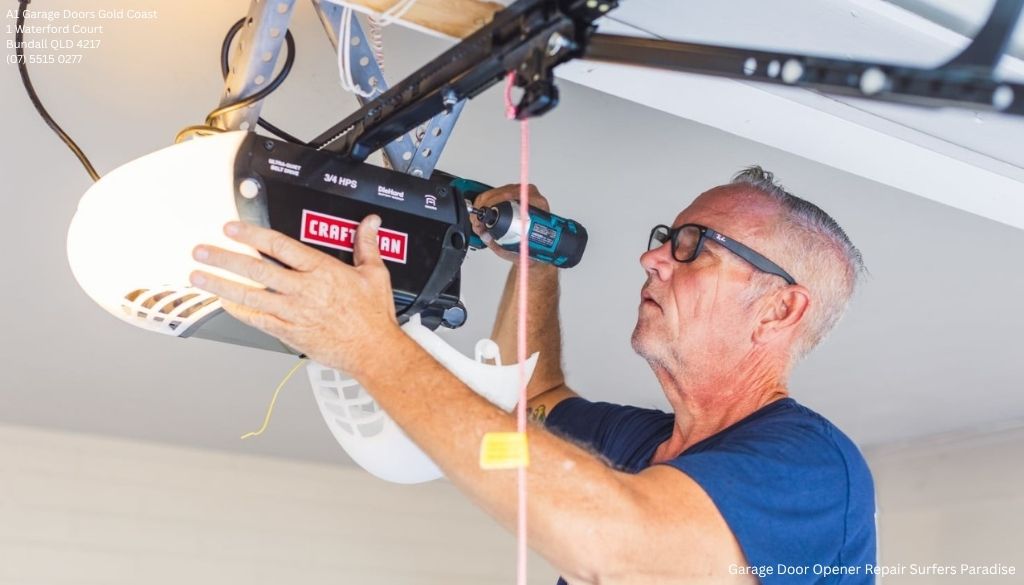
Openers fail in different ways. Some respond intermittently. Some run but do not move the door as they should. Others seem to lose consistency and become unreliable even after attention from a technician. Since Gold Coast businesses commonly offer motor replacement or installation services, including automation upgrades for existing doors, it is fair to say that opener replacement is a routine part of garage door service, not a rare last resort.
The judgment call is usually about reliability and strain. If the opener is still sound and the issue lies elsewhere, repair makes sense. If the opener has become the weak point, replacing it can stop a cycle of repeat service calls. That is especially true when the door has already developed alignment or balance issues that have forced the motor to work under poor conditions for some time.
A homeowner once described a motor problem to me in the most accurate non-technical way possible: “It sounds tired.” That phrase stuck because it captures what repeated strain does. An opener can continue working after the rest of the system has started fighting against it, but it will not do that forever. If the door has been running badly for months and the motor now behaves unpredictably, replacement is often more honest than another patch.
This is also where people weigh convenience against cost. A repair might restore function today. A replacement may restore confidence for years. When the door protects daily access to the home, that confidence has real value.
Garage door alignment and why it changes the decision
Garage door alignment problems are easy to underestimate because they often develop gradually. The door still moves, so the issue gets ignored. Then one day it no longer closes squarely, or it reaches the floor on one side before the other. At that stage, alignment is no longer cosmetic. It is affecting operation.
Poor alignment can point to worn or damaged components, but even without naming a single culprit, the practical takeaway is clear: a door that is not tracking or sitting correctly is not just a candidate for adjustment. It may have a part that has worn enough to justify replacement. Continuing to force operation through misalignment can spread wear through the system.
This is where experience matters. Some alignment issues respond well to servicing. Others keep returning because the underlying component has degraded. If the door goes out of alignment repeatedly, replacement should be part of the discussion. A one-time correction is different from a pattern.
On the coast, weather exposure makes that pattern more common. Salt air, humidity, and heat can affect garage door hardware and increase maintenance needs. A component that might last longer inland can deteriorate faster near the water. That does not mean every closing problem is caused by the environment, but it does mean corrosion and wear deserve serious attention rather than wishful thinking.
Components that are often replaced when closing problems persist
Replacement decisions are not limited to one dramatic failure. In everyday service work, closing issues often trace back to a shorter list of components that either wear, lose reliability, or stop working in harmony with the rest of the door.
- Springs, especially when one has failed and the pair is no longer balanced Motors or openers that have become inconsistent or are no longer coping well with the door Remotes, when access problems are traced to the control device rather than the door itself Hardware affected by local conditions such as salt air, humidity, and heat
That short list does not cover every possible repair, but it reflects what regional service providers commonly replace. It also shows why diagnosis matters. A remote issue and a spring failure can both present as “the garage door won’t close,” yet the urgency, cost, and safety concerns are completely different.
The cost of replacing too late
There is a moment when delaying replacement stops saving money and starts creating extra expense. It often happens quietly. The owner pays for one small callout, then another, then a temporary adjustment, then a related repair because another part has been stressed.
The classic example is the door with a spring problem that continues to be operated through the opener. The more the opener compensates, the more likely it is to become part of the problem. A similar pattern happens when alignment is left unchecked and the whole system runs under strain. One worn component can shorten the useful life of another.
There is also the simple cost of inconvenience. A garage door that only closes after several attempts has already become unreliable. If that door is used every day, the value of dependable operation should not be dismissed. People often focus only on the invoice and forget the hours lost to resetting, retrying, and worrying whether the door actually shut after they left.
The cost of replacing too early
The opposite mistake happens too. Some owners jump straight to replacing the opener because it is the most visible piece of equipment. Others assume any unusual movement means the whole door system is finished. That can be just as wasteful.
A properly assessed repair may solve the issue without replacing a major component. Regular servicing can also restore smoother function and catch problems before they become breakdowns. Since professional servicing is recommended at least every 12 months by some local providers, there is a strong case for treating maintenance as part of ownership rather than waiting for a failure and then overcorrecting.
This is especially relevant when the symptom has appeared only recently and has not yet become a pattern. One rough closing event does not always justify replacement. Repeated trouble, obvious strain, or a confirmed failed part is a different story.
Why spring work is not a DIY experiment
Many household repairs reward patience and careful effort. Springs are not in that category. Safety guidance is unambiguous: garage door springs are under high tension and are dangerous to adjust or repair without proper training and tools.
That warning should shape the replacement decision. If you suspect a spring issue because the door is uneven, unusually heavy, or no longer closing in a normal way, the right move is not to test your luck. It is to stop treating it as a home tinkering project. A failed spring is one of the clearest situations where professional assessment is not optional.
This point matters because homeowners often search for ways to fix garage door problems themselves when the door first starts acting up. Cleaning around the area or checking whether the issue is obvious is one thing. Attempting spring adjustment or repair is another. The risk is out of proportion to the savings.
A practical way to think through the next step
When a door is not closing properly, the most useful question is not “what part can I replace cheapest?” It is “what failure pattern am I seeing, and is this component still trustworthy?”
Use that frame and the decision gets clearer.
- If the problem is new and isolated, servicing and inspection may be enough. If the door shows garage door alignment problems more than once, ask whether a worn part is causing the issue to return. If the opener has become erratic after the door has spent time running badly, consider whether garage door opener repair is still good value or whether motor replacement is more sensible. If a spring has failed, treat replacement as the likely path, and expect discussion about replacing both springs. If coastal conditions have visibly taken a toll on hardware, do not assume adjustment alone will restore reliable operation.
That kind of reasoning is less glamorous than hunting for one magic fix, but it is closer to how experienced service people actually assess these jobs.
The role of local conditions in replacement timing
Garage doors do not live in laboratory conditions. On the Gold Coast, exposure to humidity, heat, and salt air can accelerate wear on hardware and increase maintenance needs. That does not mean every component will fail early, but it does mean owners should be realistic about replacement timing.
This is one of those points that becomes obvious after a few years. Two doors can have similar use patterns and very different wear depending on exposure. The owner who keeps waiting for a part to last “just a bit longer” may be using expectations borrowed from a milder environment. In coastal areas, preventive servicing and timely replacement matter more because the environment is constantly adding stress.
That is also why annual professional servicing makes practical sense. A yearly check is not just about lubrication or a quick adjustment. It is an opportunity to catch the components that are drifting toward failure before they create a larger closing problem.
When a full replacement conversation starts to make sense
Sometimes the issue is a single component. Other times, several parts are aging at once. If a door has recurring alignment problems, a struggling opener, and hardware affected by local conditions, replacing one item may not restore dependable performance for long. This does not automatically mean replacing the entire system, but it does mean the conversation should widen beyond the first symptom.
A technician who sees these systems every day will usually notice whether the current fault is isolated or part of broader wear. That perspective is valuable because it helps avoid the false economy of piecemeal repairs. Replacing the right component at the right time is efficient. Replacing one stressed part after another because the root problem was never addressed is not.
What good judgment looks like
Good judgment with garage doors is not about being aggressive or conservative. It is about matching the response to the actual condition of the system.
If the door has simply missed a service interval, start there. If the opener is reacting to another failing part, fix the actual cause. If a spring has broken, respect the safety risk and replace it professionally. If one spring has failed, be ready for the recommendation to replace both. If the motor has become unreliable after prolonged strain, replacement may be the cleaner answer than repeated garage door opener https://goldcoastgaragedoorrepair.com.au/southport-qld/ repair.
Most of all, pay attention to patterns. A garage door not closing properly once can be an event. A garage door not closing properly again and again is a message. The message is usually that one component has crossed from wear into failure, and the system is asking for a proper fix rather than another temporary workaround.
When owners respond early, they usually keep the job smaller, safer, and less disruptive. When they wait until the door is clearly struggling every day, replacement decisions tend to become more urgent and more expensive. That is the real dividing line. Not every problem needs new parts, but recurring closing trouble is often the point where replacement stops being optional and starts being the sensible next step.