Bad weather exposes weak points fast, and the garage is often one of them. People tend to think about roofs, gutters, and windows first. The garage door gets attention later, usually after a storm has already made the risk obvious. That order is backwards. When a garage door fails under strong wind, it can let pressure build inside the home, which can increase damage to walls and roof structures. For households in storm-prone parts of Queensland, that makes garage access more than a convenience issue. It becomes part of protecting the building envelope itself.
That is why preparing garage door openers before severe weather matters. The opener is not the whole story, but it sits at the center of how people use the door before, during, and after a storm event. If you cannot secure the garage quickly, if the door is hard to close properly, or if the system depends entirely on power and electronics without a backup plan, small problems can turn into expensive ones.
In practice, most storm preparation failures are not dramatic mechanical breakdowns. They are ordinary oversights. A remote with a flat battery. A manual release nobody in the house has tested. A heavy door that has gradually fallen out of balance because of worn garage door springs. Bent garage door tracks that still worked in calm weather, but started binding when the door needed to close promptly. An old installation that was never assessed for the wind loads common in the local area. These are mundane issues, and that is exactly why they get missed.
The garage door is a pressure point, not just an entry point
In calm conditions, homeowners judge a garage door by convenience. Does it open on command, close fully, and keep the weather out on a normal day? Storm conditions ask a different question. Can the entire assembly resist wind pressure and stay secure when the weather stops being normal?
Queensland cyclone-preparation guidance is clear that garage doors need to comply with the relevant standard and be correctly rated for wind pressure, or have a bracing system that can be installed before a cyclone. That distinction matters. It means a functional automatic opener does not make a garage storm ready by itself. A motor can lift and lower the door perfectly and still be attached to a door that is not suitable for severe wind conditions.
I have seen homeowners put real effort into backup batteries, smart controls, and keypad access, while overlooking the condition and rating of the actual door. From a storm-preparedness perspective, that is upside down. The opener is a tool. The door, frame, and anchorage are the barrier. If the barrier is weak, the best opener in the world will not compensate.
This is also where conversations about garage door replacement become less cosmetic and more practical. Queensland housing resilience guidance garage door resource identifies replacing existing garage doors and frames with wind-rated versions as part of household resilience work, and specifically notes that non-compliant garage doors can be a cost-effective replacement target. That is worth sitting with for a moment. Many household upgrades feel optional. A door that could fail under storm load is not in the same category as a surface-level improvement.
What storm prep looks like in real life
The most useful preparation is done before the sky changes color and before alerts turn urgent. Official guidance in Queensland emphasizes preparing before storm season and going outside only after it is officially safe. That timing affects garage planning more than people realize. If your plan relies on last-minute adjustments in worsening weather, it is not much of a plan.
Good preparation starts with a simple question: if severe weather were expected tomorrow, could you close, secure, and stop using the garage without confusion? If the answer is uncertain, there is work to do.
For one household, that may mean checking that the opener responds consistently and that every adult knows how to disengage it safely if power fails. For another, it may mean confirming whether the door itself is wind-rated or whether a bracing system should be installed before a cyclone. For another, it may mean recognizing that the current setup has reached the point where repair is no longer the most sensible option, and garage door replacement needs to move from the someday list to the pre-season list.
Start with the opener, but do not stop there
A garage door opener is the most visible part of the system because it is what you interact with every day. That familiarity can hide risk. When an opener works most of the time, people assume the whole door system is healthy. Often it is not.
The opener should respond promptly, stop and reverse appropriately if obstructed, and close the door fully without strain or hesitation. If it sounds rough, jerky, or inconsistent, that is worth investigating before storm season. The issue may be in the opener itself, but just as often the opener is compensating for drag elsewhere in the system.
Garage door tracks are a frequent culprit. Tracks do not need to be dramatically deformed to create trouble. A slight bend, loose fixing, or gradual misalignment can make the opener work harder than it should. In ordinary use, that might show up as a shudder during travel, a door that closes unevenly, or an opener that suddenly seems noisy. In bad weather, the margin for error narrows. You want the door to close cleanly and seat properly, not fight resistance on the way down.
Garage door springs are another critical component that homeowners often underestimate. Springs counterbalance the weight of the door. When they weaken or lose proper balance, the opener ends up carrying more of the load. That can make the system seem functional right up until the moment you need a reliable manual override or a smooth final close. Springs are under significant tension, so this is not an area for casual experimentation. If the door feels unusually heavy, does not stay put when partially open, or slams shut, that is professional territory.
The access problem most people overlook
Before severe weather, access is not only about getting into the garage. It is also about deciding when to stop using it.
People often keep moving vehicles, bins, tools, and loose outdoor items long after they should have wrapped things up. Queensland storm guidance recommends securing loose items, parking vehicles under shelter if possible, and unplugging electrical items. The garage becomes central to all three. It is where many households shelter a car, store outdoor furniture, charge tools, and keep extension cords, freezers, or appliances plugged in.
That creates a pattern I have watched many times. The garage remains active right to the last minute because it is the staging area for final preparation. Then someone discovers the door is sticking, the opener light flashes but the door does not move, or the remote has gone missing. At that point people rush, force things, or stand outside troubleshooting in deteriorating conditions. Official advice is to prepare early for a reason.
A calm weather trial run can solve most of this. Open the door, clear the floor area, park vehicles where they need to be, and close the door fully. Then test how the household will manage if the power goes out. Can the door be operated safely? Can everyone who may need access actually use the release mechanism? If the answer depends on one person who is not always home, that is a weakness worth fixing.
A short pre-storm garage check
Use this before storm season begins or when severe weather is forecast:
Confirm the door opens and closes smoothly, with no binding, skewing, or unusual noise. Test that the manual release can be operated safely and that the household knows how it works. Check whether the garage door is wind-rated for the location or whether a bracing system is required before cyclone conditions. Park vehicles under shelter if possible, then secure loose items and unplug unnecessary electrical items in the garage. Stop leaving garage tasks to the last minute, because official guidance is to prepare before conditions become unsafe.That is a short list, but it catches a surprising number of weak links.
When the door itself is the issue
There is a point where maintenance and opener troubleshooting stop being the right conversation. The real question becomes whether the existing door assembly is fit for the local risk.
Queensland guidance on resilience makes this plain by treating non-compliant garage doors and frames as replacement targets. That is not alarmist. It is practical. If a door does not meet the expected wind performance for the area, continued patchwork repairs can give a false sense of security. A new remote, a fresh motor gear, or a track adjustment will not change the underlying wind resistance of an outdated or non-compliant door.
Garage door replacement can feel like a large decision because it sits at the intersection of cost, disruption, and safety. Yet from a resilience standpoint, it can be one of the clearer decisions a homeowner makes. If the existing system is non-compliant, badly aged, or structurally compromised, replacement may be the more cost-effective path A1 Garage Doors Gold Coast Pty Ltd than repeated service calls and improvised storm preparation.
There is also a frame issue that gets missed. A stronger door fitted to a weak or unsuitable frame does not solve much. The guidance refers to replacing garage doors and frames together for resilience reasons, and that tracks with what contractors see in the field. Loads transfer through the whole assembly. The curtain or panel is only part of it.
Bracing systems and rated doors are not the same thing
Some homeowners hear that a bracing system can be installed before a cyclone and assume any standard garage door is fine as long as they buy the hardware. It is not that simple. The key point in the guidance is that the garage door should either be correctly rated for wind pressure and compliant, or have a bracing system that can be installed before a cyclone. That means the door needs to be assessed within an approved preparedness approach, not improvised with makeshift reinforcement when the weather report turns serious.
I have seen well-intentioned people try to secure doors with timber, straps, or ad hoc fittings from the shed. That kind of improvisation may feel proactive, but it is not a substitute for proper design and installation. Storm hardening is one of those jobs where confidence can exceed competence very quickly. Queensland guidance also emphasizes working safely or using a qualified contractor when securing vulnerable parts of the home. For garage doors, that is sound advice.
The hard truth is that if you do not know whether the door is rated, whether the frame is suitable, or whether the bracing method is correct, the best time to find out is not the day before a cyclone warning escalates.
The hidden value of smooth manual operation
Automatic systems make people forget that a garage door should still be a balanced, manageable piece of equipment. During bad weather, that matters.
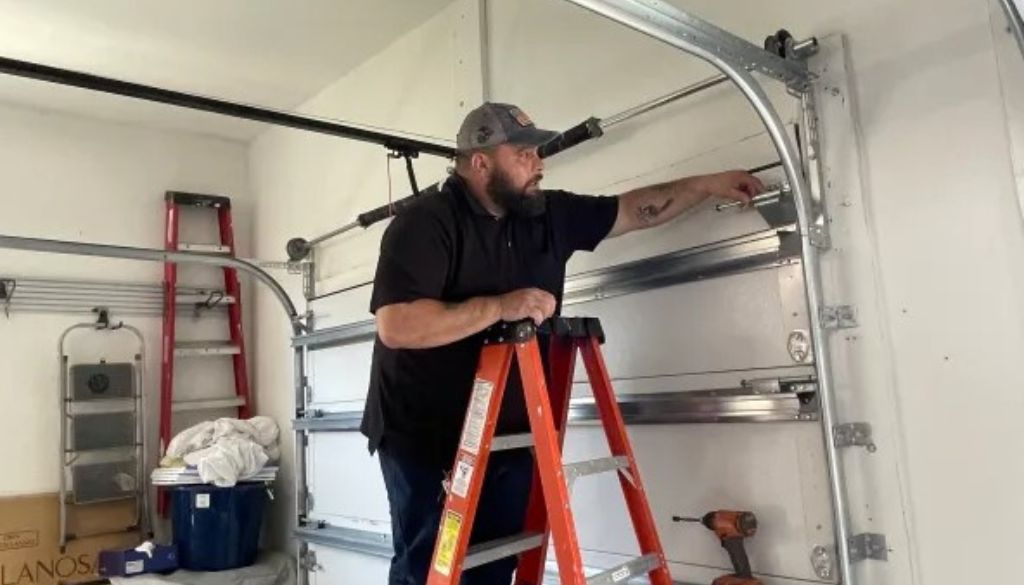
Power interruptions are common in severe storms. Even without a total outage, many homeowners prefer to unplug electrical items as part of storm preparation. The opener may be temporarily out of service by design or by circumstance. When that happens, the household needs a door that can be secured and, if necessary, operated manually without drama.
This is where worn garage door springs become more than a maintenance line item. A properly balanced door should not feel dangerously heavy or impossible to control. A misbalanced door can create a genuine safety risk, especially when someone unfamiliar with it tries to use it under pressure. If the only person who knows the “trick” to managing the door is one family member, the system is not ready for an emergency.
I have also noticed that attached garages create a second concern: if the external garage door becomes difficult to manage, people may start relying heavily on the internal access door to the house. That can work, but it can also lead to repeated openings as people move items in and out during preparation. For attached garages, sensible draught-proofing at the base of doors can help reduce heat loss in normal times, and it is a reminder that the garage sits right at the boundary between outdoor conditions and the home interior. Weather sealing and resilience are not the same thing, but both speak to the importance of the opening as part of the house envelope.
Signs the system needs attention before storm season
These are the warning signs I would not ignore:
The opener strains, hesitates, or sounds louder than it used to. The door does not sit squarely, rubs, or appears to catch on the garage door tracks. Manual operation feels unusually heavy, fast, or difficult, which can point to spring balance problems. You do not know whether the door is wind-rated, compliant, or meant to use a specific bracing system. The door or frame is old enough that you are already considering garage door replacement for reliability reasons.None of those automatically means the system will fail. Each one does mean the time for a closer look is now, not when severe weather is hours away.
Households often prepare the driveway better than the garage
It is common to see careful outdoor preparation paired with a neglected garage. The yard gets cleared. Loose pots get moved. The car gets tucked inside. Then the garage itself is left cluttered, powered up, and mechanically unverified.
That misses the point of using the garage as shelter. Once the vehicle is inside, it helps to think through what else is happening in that space. Are charging stations, spare fridges, or bench tools still plugged in unnecessarily? Are loose items stacked against the door where they could interfere with closure? If a bracing system is part of the storm plan, is there actually enough clear space to install it without moving half the contents of the garage first?
Practical storm preparation is often less about buying more equipment and more about reducing friction. The less rearranging, lifting, unplugging, and troubleshooting required at the last minute, the better.
Safety and product choices deserve more respect than they get
Australians are used to a market where many household products are easy to buy and quick to install. That convenience can lead people to assume that every accessory marketed for doors or storm use is equally suitable. Product safety standards exist for a reason. Where mandatory standards apply, products must meet specific criteria before sale. For homeowners, the lesson is simple: safety claims should be taken seriously, and compatibility matters.
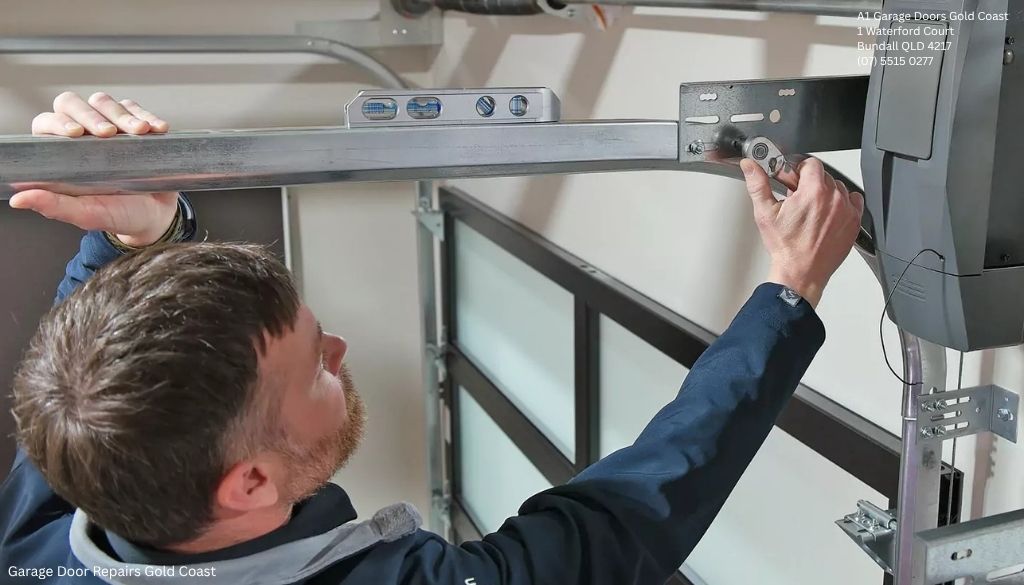
With garage access systems, that means treating remotes, controls, locking accessories, and structural add-ons as part of a broader safety picture, not as isolated gadgets. A low-cost fix that interferes with door travel, emergency release function, or correct bracing can create more risk than it solves. It is another reason qualified advice earns its keep, especially when the issue goes beyond routine convenience and into storm resilience.
The best time for decisions is before urgency distorts them
When a weather event is approaching, people tend to accept whatever option promises speed. They force another season out of an opener that has been unreliable for months. They delay replacing an old door because it still technically works. They assume a sticky track can wait. In quiet weather, those trade-offs can seem reasonable. In storm season, they are often false economy.
This is especially true if you already suspect the system is not up to the local conditions. If there is uncertainty around wind rating, door compliance, frame condition, or the need for a cyclone bracing system, the right moment for that assessment is well before warnings begin. Once the weather window narrows, choices become more expensive, more rushed, and less safe.
Professional judgment matters here because garage doors involve overlapping issues: structural resistance, mechanical balance, electrical operation, and household access. A problem that looks like an opener fault may be rooted in springs or tracks. A convenience upgrade may be less valuable than a compliance-driven garage door replacement. The smart decision is not always the one that changes the most visible component.
Prepared access is really about control
Storm preparation is partly about securing the property, but it is also about reducing uncertainty. A reliable garage access plan gives a household control over timing, vehicle shelter, storage, electrical safety, and building protection. That control comes from ordinary, unglamorous things being sorted out ahead of time.
A well-prepared garage door setup does not have to be elaborate. It does need to be known, functional, and appropriate for the local hazard. The opener should work properly. The manual release should not be a mystery. Garage door springs and garage door tracks should not be left to deteriorate quietly. If the existing door is not suitable for severe wind conditions, garage door replacement or an appropriate bracing solution should be dealt with before the season asks more of it.
The households that handle bad weather best are rarely the ones making heroic last-minute fixes. They are the ones who tested the garage on a calm afternoon, cleared the space, understood the door they had, and made the hard decisions early. When the forecast turns serious, that preparation feels less like extra work and more like the quiet benefit of having already done it right.