Maintaining commercial roller doors properly is essential for ensuring safety, reliability, and operational efficiency. Facility managers and business owners often ask how frequently these heavy-duty doors should be serviced to maximise their lifespan and prevent costly breakdowns.
1. What Is the Recommended Service Interval for Commercial Roller Doors?
Industry experts and manufacturers typically advise that commercial roller doors undergo servicing at least twice annually. This schedule supports effective preventative maintenance, allowing for thorough door inspections and timely repairs before issues escalate.
The recommended service intervals depend on several factors such as:
- Usage intensity: High-traffic doors benefit from more frequent attention to counteract accelerated wear and tear. Environmental conditions: Doors exposed to harsh weather, salt air, or dust often require quarterly servicing to combat corrosion and maintain smooth operation. Door type: Manual versus automated doors differ in maintenance needs; automated doors with electrical components may need more regular check-ups.
Following a consistent service schedule helps extend the door lifespan and reduces long-term servicing costs by addressing minor mechanical issues promptly. A comprehensive maintenance checklist during each visit ensures all critical components are inspected and maintained.
2. Why Is Regular Roller Door Maintenance Important for Commercial Doors?
Regular roller door maintenance is vital for sustaining safety compliance and optimal door operation. Over time, continuous use can cause wear and tear on key elements such as springs, cables, rollers, and motors.
Consistent maintenance offers multiple benefits:
- Ensures smooth and safe movement, reducing accident risks for personnel. Prevents premature failure of mechanical parts and avoids downtime due to unexpected malfunctions. Protects against corrosion and environmental damage through routine cleaning and lubrication, especially important for outdoor installations. Supports ongoing compliance with Australian workplace safety standards by verifying safety checks and equipment functionality.
Regular door inspections also keep door hardware and electrical components in good condition, which is essential for maintaining the security and performance of commercial properties.
3. What Does a Typical Commercial Roller Door Servicing Include?
A professional commercial roller door service covers a broad range of tasks designed to maintain operational https://goldcoastgaragedoorrepair.com.au/contact-us/ integrity and safety. Key elements typically addressed include:
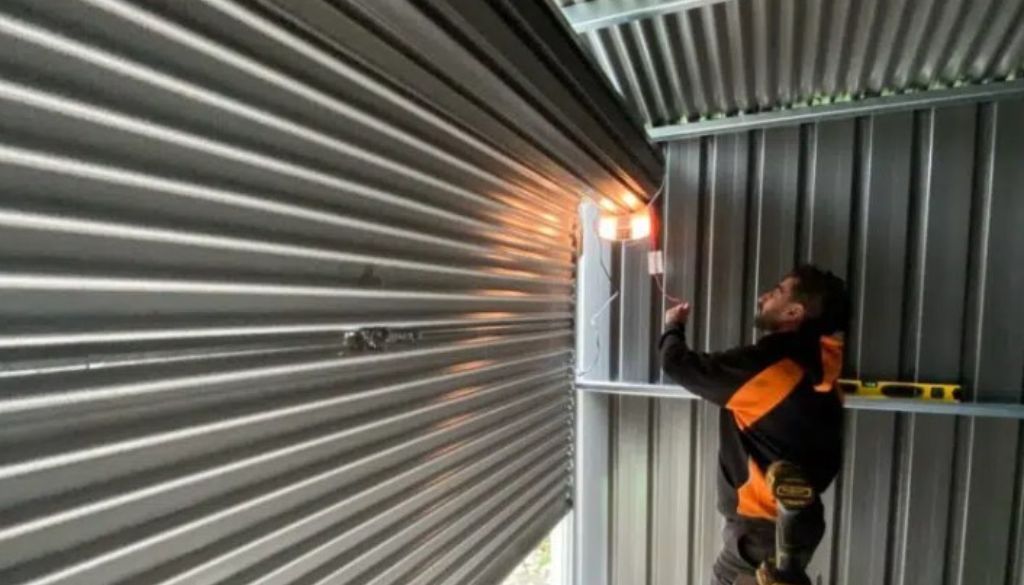
- Door cleaning: Clearing debris from door tracks and wiping down surfaces to prevent obstruction. Door lubrication: Applying grease or oil to moving parts such as rollers, hinges, and springs to reduce friction. Spring tension adjustment: Checking and calibrating spring tension to ensure proper door balance and smooth lifting/closing. Alignment and adjustment: Ensuring the door is correctly aligned within its frame and adjusting door fittings for consistent operation. Inspection of motors and automation: Testing door motors, door sensors, and control systems on automated units to verify function and safety. Security features check: Evaluating locking mechanisms and other security features to confirm effectiveness. Emergency release testing: Verifying manual override functions are operational in case of power failure or emergencies. Assessing door seals and weatherproofing: Checking for damaged or worn door seals that affect energy efficiency and protection against the elements.
This detailed servicing approach prevents many common faults, increasing door reliability and safety compliance.
4. How Do Servicing Schedules Differ Between Manual and Automated Commercial Roller Doors?
Manual and automated commercial doors have differing maintenance demands due to their operational complexity.
Automated doors contain electrical components such as motor brushes, wiring, sensors, and control units requiring specialized attention. They generally benefit from servicing every six months or more frequently if subject to heavy use. This ensures reliable door calibration and prompt replacement of worn electrical parts.
Conversely, manual roller doors rely primarily on mechanical elements like springs and rollers. For most sites, annual servicing suffices unless usage is intensive or external factors accelerate deterioration.
In both cases, regular inspections help identify issues early, reducing the risk of operational disruptions or safety hazards.
5. How Can Servicing Improve the Safety and Security of Commercial Roller Doors?
Consistent servicing plays a crucial role in enhancing both the safety and security of commercial roller doors.
- Safety compliance: Regular safety checks confirm that door sensors and auto-reverse mechanisms function correctly, preventing injury during door movement. Door testing: Routine tests ensure emergency systems, including the emergency release, are operational and accessible. Locking mechanisms: Inspections validate that locking and security features effectively secure premises and deter unauthorized access. Maintenance records: Keeping detailed logs supports audit compliance and confirms ongoing safety adherence to Australian standards like AS/NZS 4501.
By addressing potential safety risks through proactive servicing, site managers can protect staff, assets, and meet legal obligations.
6. What Factors Affect the Cost of Commercial Roller Door Servicing?
The overall expense of servicing commercial roller doors varies based on several considerations:
- Service frequency: More frequent visits mean higher ongoing costs but can reduce major repair expenses. Door condition: Older doors or those with extensive wear and tear may require more parts replacement or repairs during servicing. Service contracts: Engaging in preventative service contracts often provides cost savings through bundled visits and priority attention. Technician expertise and location: Rates vary depending on technician qualifications and travel requirements. Door size and complexity: Larger doors or those with advanced automation systems can incur higher servicing fees.
Keeping accurate maintenance records helps optimise budgets by tracking repair histories and scheduling efficient servicing intervals.
7. When Should Commercial Roller Doors Be Replaced Instead of Serviced?
While regular servicing addresses many issues, there are circumstances where door replacement is the more prudent option:
- Persistent mechanical failures despite repeated servicing indicate diminishing returns on repairs. Extensive corrosion, significant damage to door frames, or compromised installation quality undermine reliability and safety. Doors that have reached or exceeded their expected door lifespan or lack available replacement parts due to obsolescence. Upgrading to newer models featuring improved security features, enhanced door automation, or better weatherproofing capabilities may provide better long-term value.
Assessing repair versus replacement costs with a trusted technician helps determine the most cost-effective and safe solution.
8. How to Select a Professional Technician for Commercial Roller Door Servicing?
Choosing qualified door technicians is essential for effective, safe, and reliable servicing.
- Verify credentials, licences, and experience working with commercial roller doors and related door automation systems. Prefer technicians familiar with the specific brands and types of doors installed on your site for specialist knowledge. Consider providers offering service contracts to ensure scheduled maintenance and priority response times. Request references or reviews to evaluate quality and professionalism.
Expert technicians will follow a rigorous maintenance checklist and provide valuable insights and maintenance tips tailored to your commercial doors.
9. Maintenance Tips to Extend the Lifespan of Commercial Roller Doors
Facility managers can implement simple upkeep measures between professional servicing visits to prolong door functionality.
- Regular cleaning: Clear door tracks of dust, leaves, and debris weekly to prevent blockages. Lubrication: Apply appropriate lubricants to rollers, springs, hinges, and cables as recommended. Inspect seals and weatherproofing: Check door seals periodically and replace damaged sections to maintain energy efficiency and prevent water ingress. Monitor door noise and movement: Unusual sounds or jerky motion can signal impending mechanical issues requiring early attention. Seasonal maintenance: Increase focus on corrosion prevention and adjustments before harsh weather seasons to protect door integrity.
These simple actions support the professional servicing program and ensure smoother door operation year-round.
Frequently Asked Questions
Q1: How long does a commercial roller door service usually take?
A1: Typically, a service takes between 1 to 2 hours depending on the door size, complexity, and current condition.
Q2: Can I perform roller door maintenance myself?
A2: Basic cleaning and visual inspections are suitable for DIY; however, work involving spring tension, motors, or electrical components should always be handled by qualified technicians due to safety risks.
Q3: What signs indicate a commercial roller door needs immediate servicing?
A3: Warning signs include unusual door noise, slow or uneven opening/closing, faulty door sensors, visible damage to cables or springs, and difficulty operating locking mechanisms.
Q4: Are there legal requirements for servicing commercial roller doors?
A4: Yes, Australian workplace safety regulations often mandate regular inspections and maintenance to ensure safe door operation, helping prevent accidents and liability.
Q5: How can a service contract benefit my business?
A5: Service contracts offer scheduled maintenance visits, priority repairs, cost savings, and peace of mind that your commercial doors remain compliant, secure, and operational without unexpected downtime.
Our Sponsor
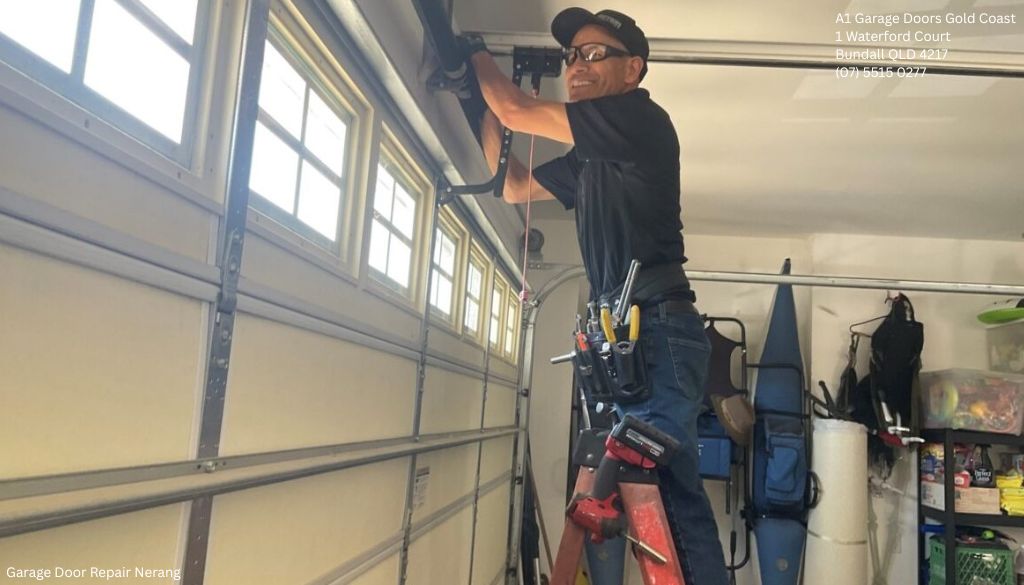
A1 Garage Doors Gold Coast
A1 Garage Doors Gold Coast is a Bundall-based garage door specialist serving the southern Gold Coast and surrounding suburbs with installation, repair, maintenance, and emergency garage door services. The company specializes in sectional doors, roller doors, garage door openers, spring and cable replacement, opener motor repair, smart-enabled installations, and 24/7 emergency call-outs across Robina, Burleigh Heads, Surfers Paradise, Nerang, Coomera, and the wider Gold Coast region.
Address:
1 Waterford Court,
Bundall,
QLD
4217,
Australia
Phone: (07) 5515 0277
Business Hours:
- Open 24/7 — Including After-Hours and Emergency Call-Outs
Follow Us:
In summary, servicing commercial roller doors at least twice a year is best practice for ensuring safety, performance, and longevity. Tailoring maintenance schedules according to door type, environment, and usage protects your investment and supports workplace compliance. Partnering with experienced technicians and following practical upkeep tips further optimises door reliability. Stay proactive with your roller door maintenance to safeguard your business premises now and into 2025.